


About Elderberry
Myths, folk medicine, and black elderberry (black elder / Sambucus nigra)
1/6/20264 min read
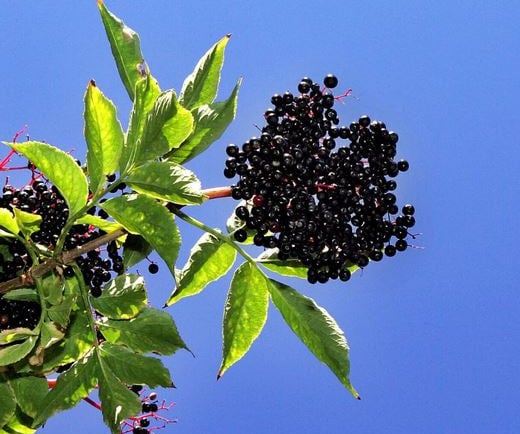
Elder (Sambucus nigra) is a plant that has long been attributed mystical and magical qualities, as well as mythological significance.
Elder has deep roots in the folklore traditions of European peoples, especially in Germany, the United Kingdom, and Scandinavia. In these regions, elder was often considered sacred and surrounded by many myths and superstitions. It was believed that spirits lived in the tree, and it was credited with strong protective powers. At the same time, people also believed elder to have a dual nature: it could protect against evil spirits, but if it was not respected, it could also harbor dark forces. In many cultures, cutting down an elder tree was thought to be very dangerous, because it was believed that the spirit living within it would take revenge on anyone who harmed its tree. This belief was particularly strong in Germany, where elder was seen as an ancient guardian of the home, capable of warding off malicious forces such as witches or evil spirits.
Beyond these mystical associations, elderberries have also long been used in folk medicine, especially in Europe. Elderberries and elderflowers were believed to have strong healing properties. Elderberries were used to treat various illnesses such as colds, flu, and different respiratory conditions. Their medicinal value was especially appreciated in countries like Germany and Italy, where elderberry syrups and extracts were commonly used.
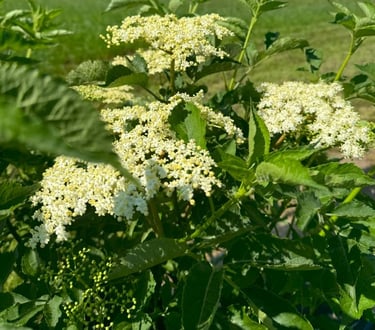
Elder was regarded as a healing plant also because of its associations with the divine and the supernatural world. People believed the plant had protective powers not only against spirits, but also against physical illness. For example, in ancient Germany elderberries were often kept in the homes of the sick to protect them from disease and infection. Remedies made from the berries were believed to cleanse the body and restore balance, acting as protection against both physical and spiritual ailments.
The use of elder for healing was also linked to magic. Many people believed elderberries could be used in drinks and spells to cure not only physical illnesses but also maladies of the spirit. Elderberries were thought to help people rid themselves of negative energy and harmful influences. This belief was widespread in rural European communities, where people relied on the power of folk medicine and magical rituals to maintain their health.
In European mythology, elder was also seen as a mediator - a threshold, a gateway between the worlds of the living and the dead. This aspect of elder is especially strong in Celtic and Scandinavian mythologies. In Celtic traditions, elder was associated with the underworld and the death goddess Hecate. It was believed that an elder tree could serve as a channel for the souls of the dead, helping them pass into the afterlife. In Scandinavian mythology, elder was regarded both as a protective tree and a symbol of transition. Elder trees were sometimes planted near burial sites, believed to protect the souls of the deceased and guide them on their journey to the afterlife.
It was also believed that elderberries possessed various magical properties, particularly connected with protection, love, and fertility. In medieval Europe, elderflowers were often used to attract love or enhance fertility, as they were associated with Venus, the goddess of love. Elder amulets were worn as protection against evil spirits, lightning, and witchcraft. In some European traditions, it was believed that witches could not approach an elder tree without suffering dire consequences. In certain regions, people planted elder trees around their homes to guard against witches, believing the tree’s supernatural qualities would prevent harmful forces from entering.
Although many ancient myths and magical beliefs connected with elder have faded over time, the plant’s medicinal and symbolic importance has not diminished. Today, elderberries are still used in folk medicine, especially for their immune-supporting and antiviral properties. They are commonly made into syrups, teas, or supplements - particularly for treating or helping prevent colds and flu.
What is elderberry really known for?
Perhaps in the past elder was credited with magical protective powers, but modern science also has plenty to say about elderberry’s benefits for the human body and health. Elderberries are rich in vitamins - especially vitamin C, which supports the immune system and helps fight infections. They also contain vitamin A, B vitamins (such as B6), and antioxidants like flavonoids - particularly anthocyanins - which support heart health and help reduce inflammation. Elderberries are highly valued for their antiviral properties, especially against colds and flu. They can help strengthen the immune system, ease the symptoms of respiratory infections, and may shorten the duration of illness. In addition, the dark berries contain plenty of fiber, support healthy digestion, and have anti-inflammatory and anticancer properties - making them a natural remedy.
There are many scientific articles examining elderberry’s beneficial properties, and you can easily find immune-support supplements made from black elderberry in pharmacies.
However, like any medicinal plant, elder has not only benefits but also risks. Elder leaves, twigs, bark, and unripe berries contain toxic substances - cyanogenic glycosides - which, during digestion, can convert into a poisonous compound: cyanide. Consuming a large amount of unripe elderberries can cause nausea, vomiting, and diarrhea. To avoid toxicity, elderberries should be boiled and processed into syrups, jams, or teas, as heat neutralizes the harmful compounds. Always make sure you use ripe, properly prepared elderberries, and avoid eating the seeds or other raw parts of the plant. Elderflowers and fully ripe berries that have been properly heat-treated do not contain toxic substances and can be consumed safely.
In GERI METAI | An AMAZING YEAR farm, what we love most are Lithuanian myths about elder trees. According to Lithuanian folklore, kaukai - mythical beings who bring abundance and blessing to a home - live beneath elder trees. It’s lovely to know that nearby there are as many as 800 “homes” where these good creatures kaukai can find shelter.
When we make products from elderflowers, we carefully snip off all the flower stems, leaving only the fragrant blossoms. And we heat the berries properly so that our juices, syrups, and wines are not only delicious, but also safe.
In GERI METAI e-shop you can find these elderberry products:
Elderflower syrup;
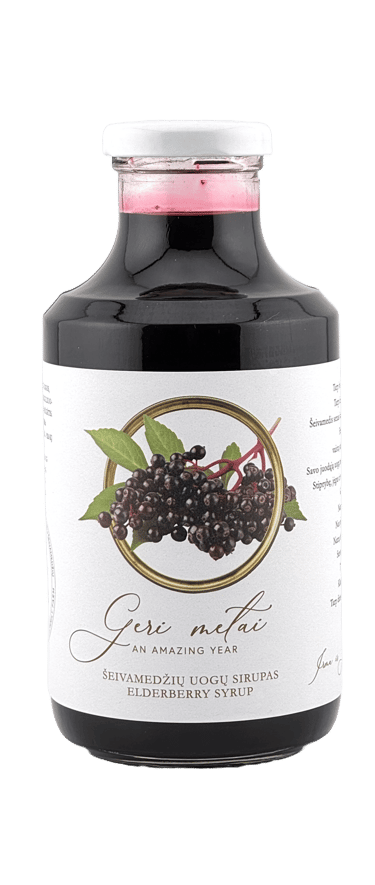
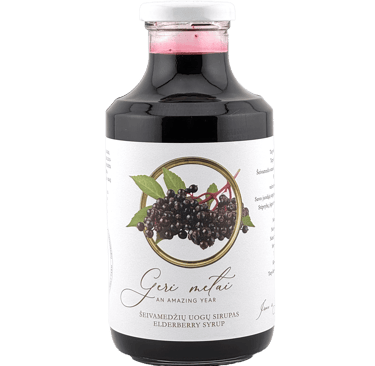
Elderberry syrup;
For those who want less sugar - elderberry juice.
You can buy them here:
More information about elderberies:
https://www.sciencedirect.com/search?qs=elderberry
https://www.lrt.lt/naujienos/kultura/12/1527266/libertas-klimka-apie-juoduogio-seivamedzio-nauda
https://lt.wikipedia.org/wiki/Juoduogis_%C5%A1eivamedis
https://botanika.vdu.lt/aktualijos/juoduogis-seivamedis-gydantis-saugantis-puosiantis